
Sanctuary
January 15, 2020 - May 15, 2020
Biddeford Campus Art Gallery
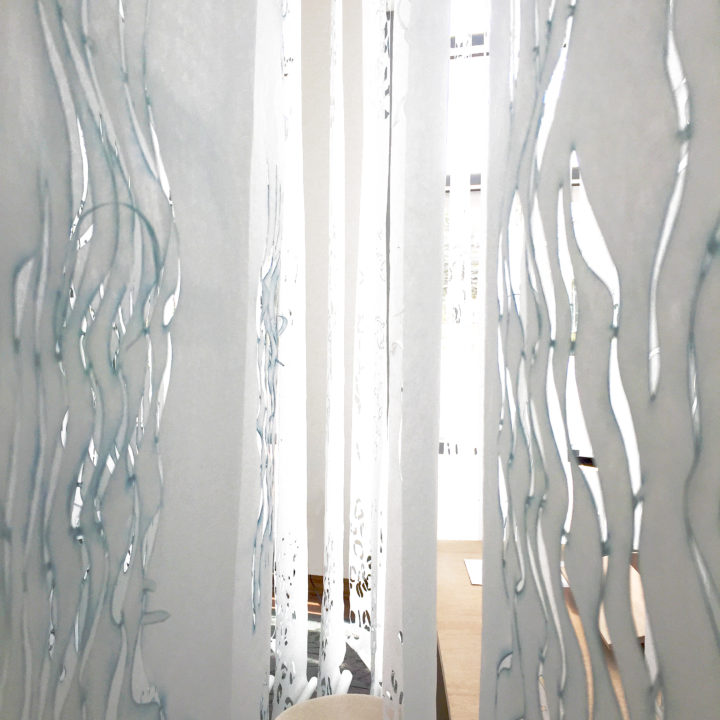
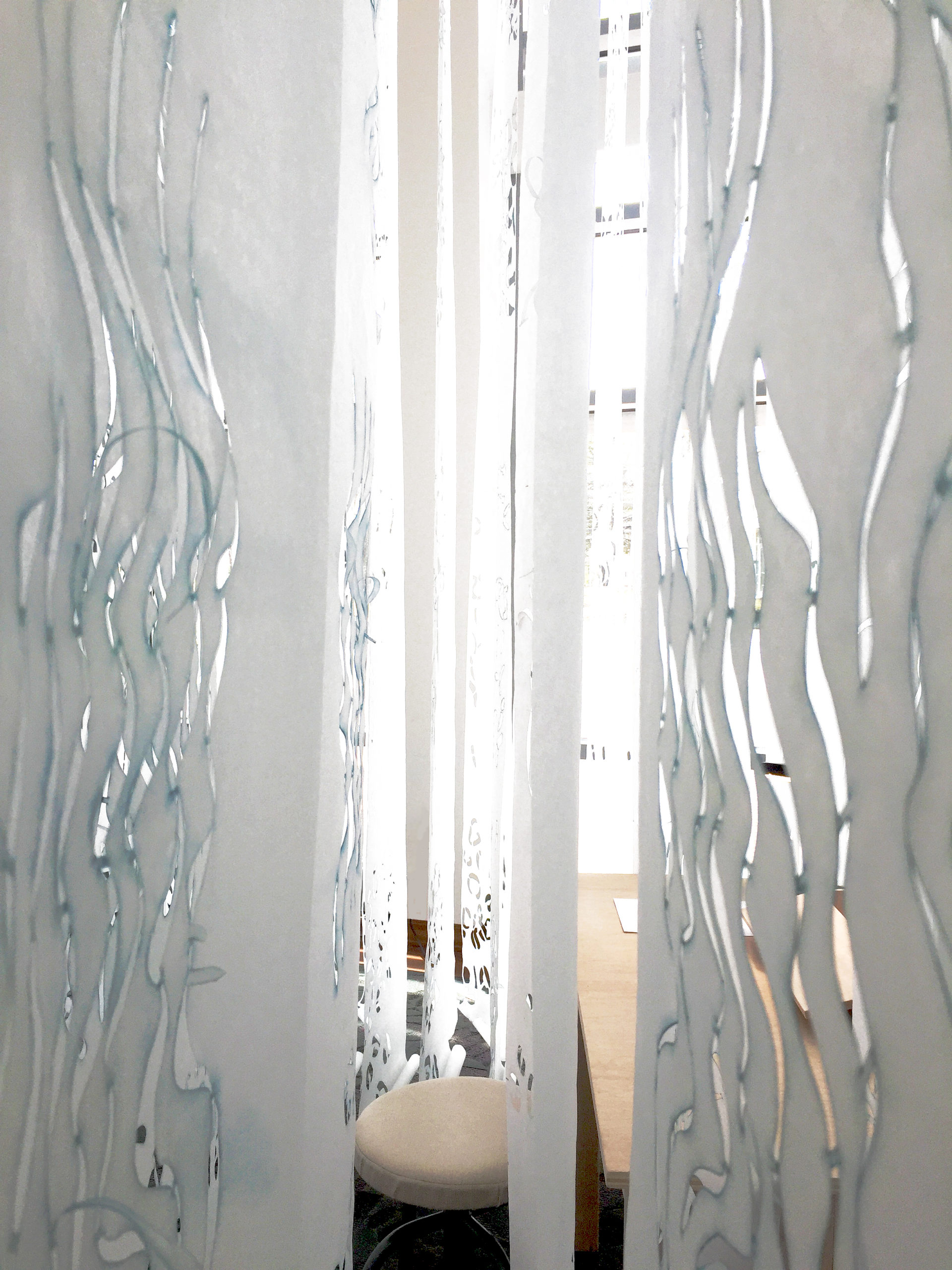
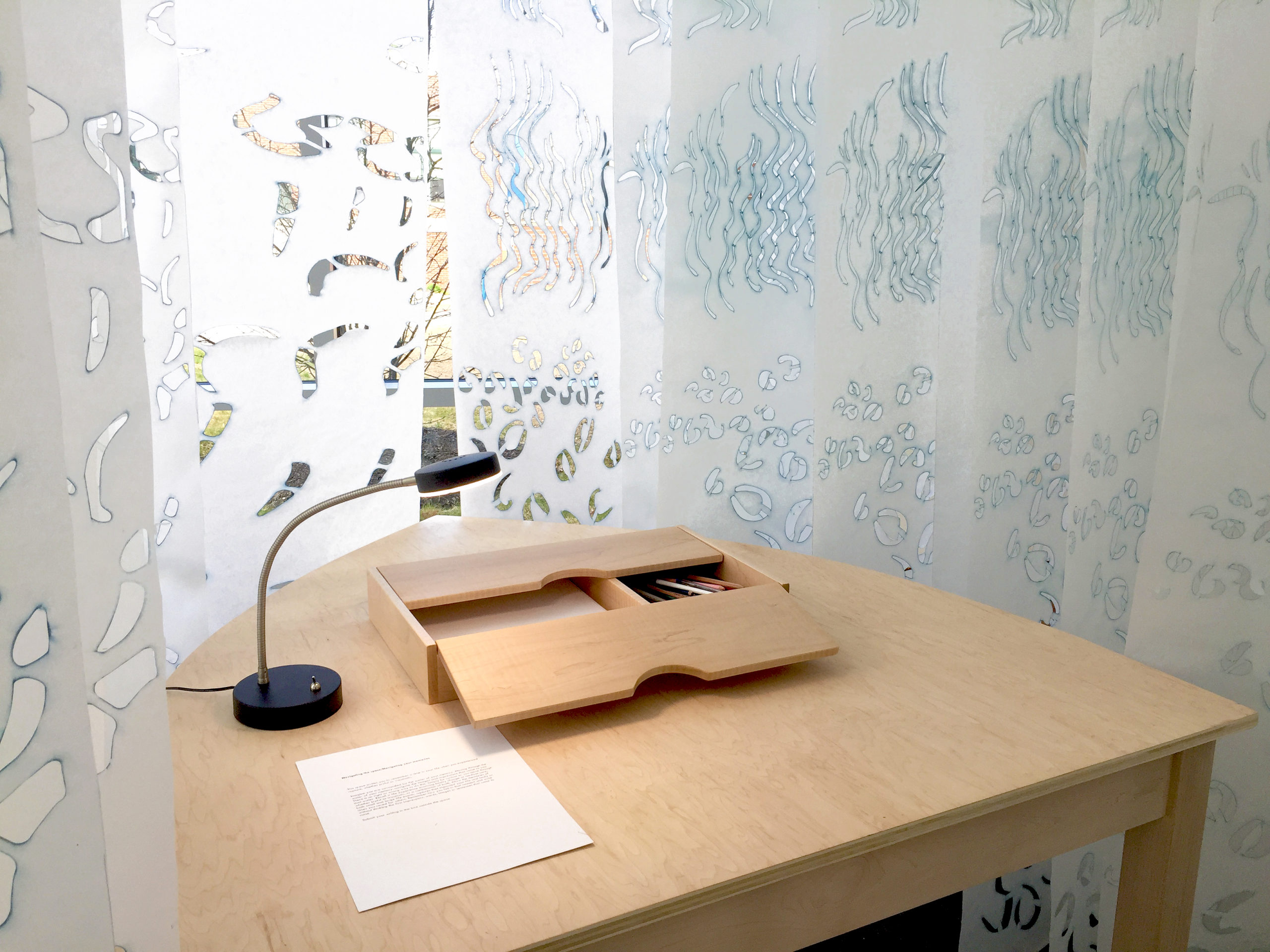
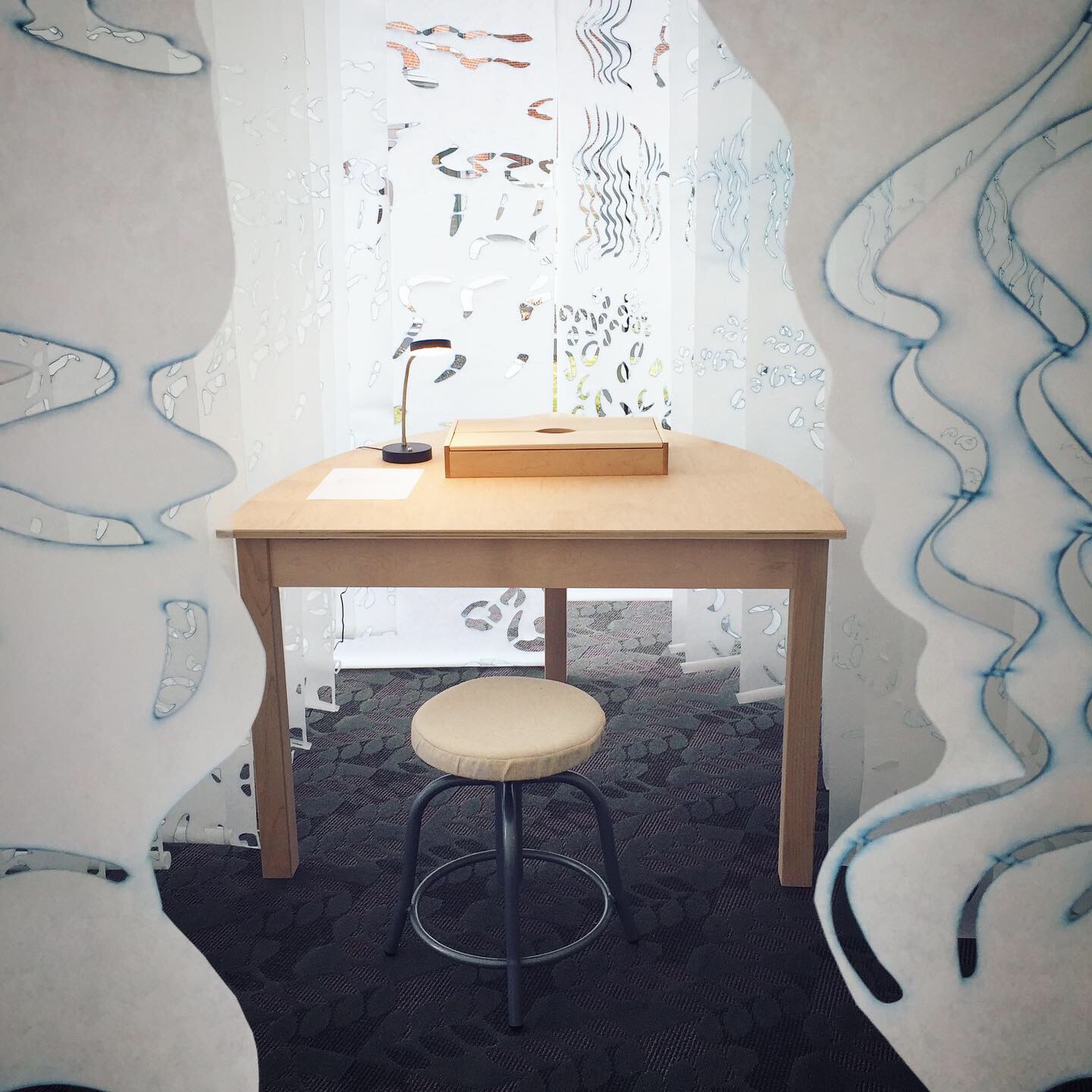
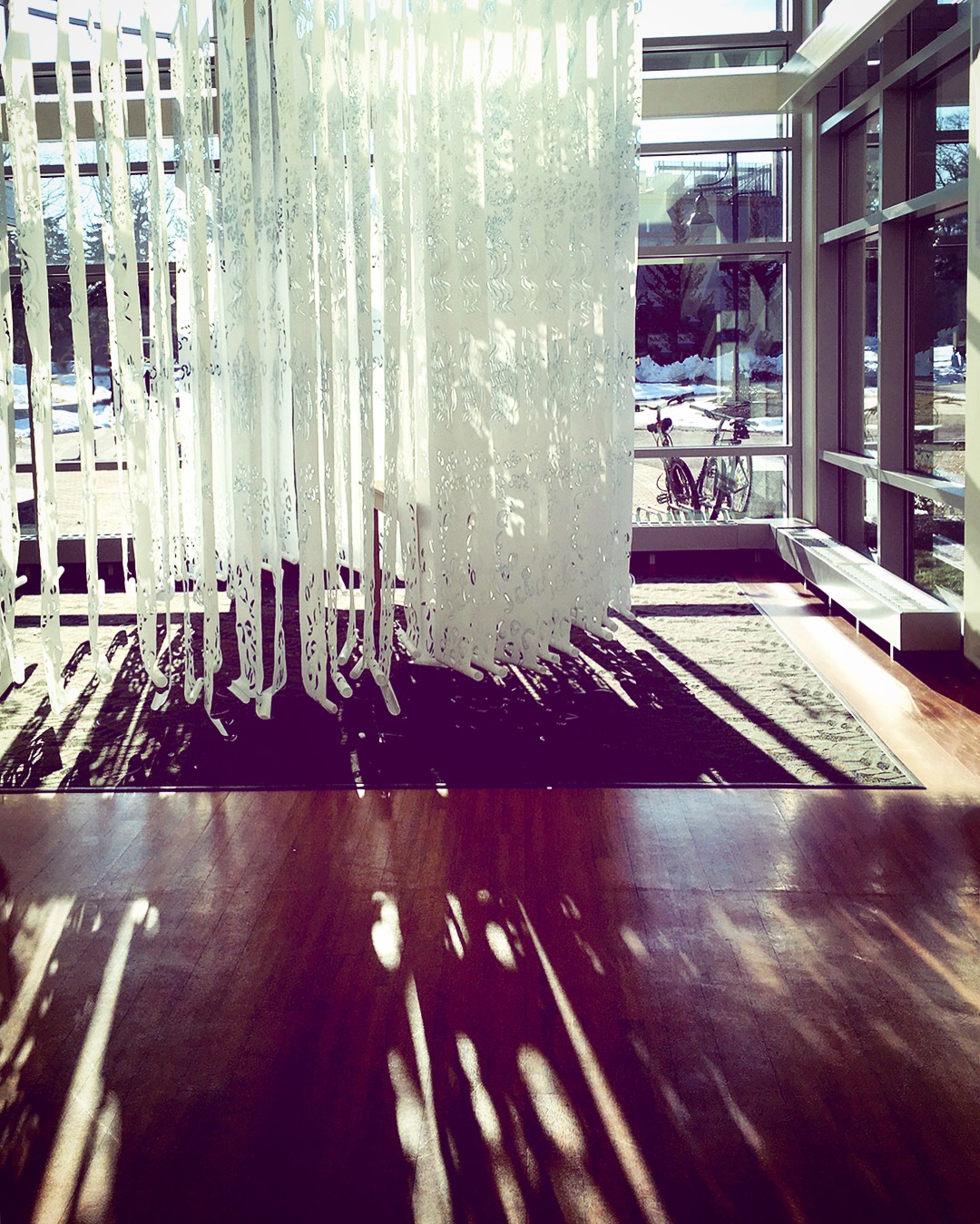
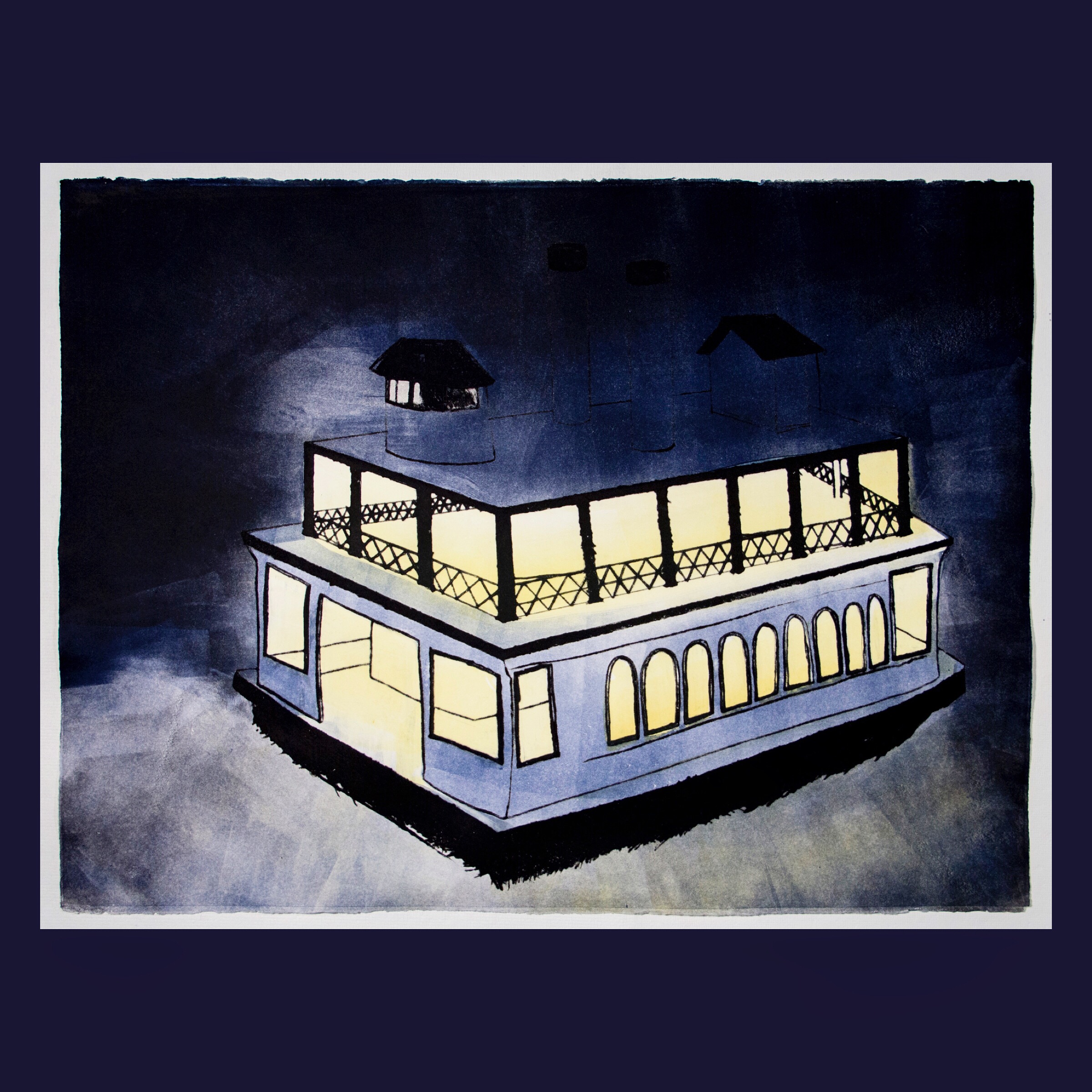
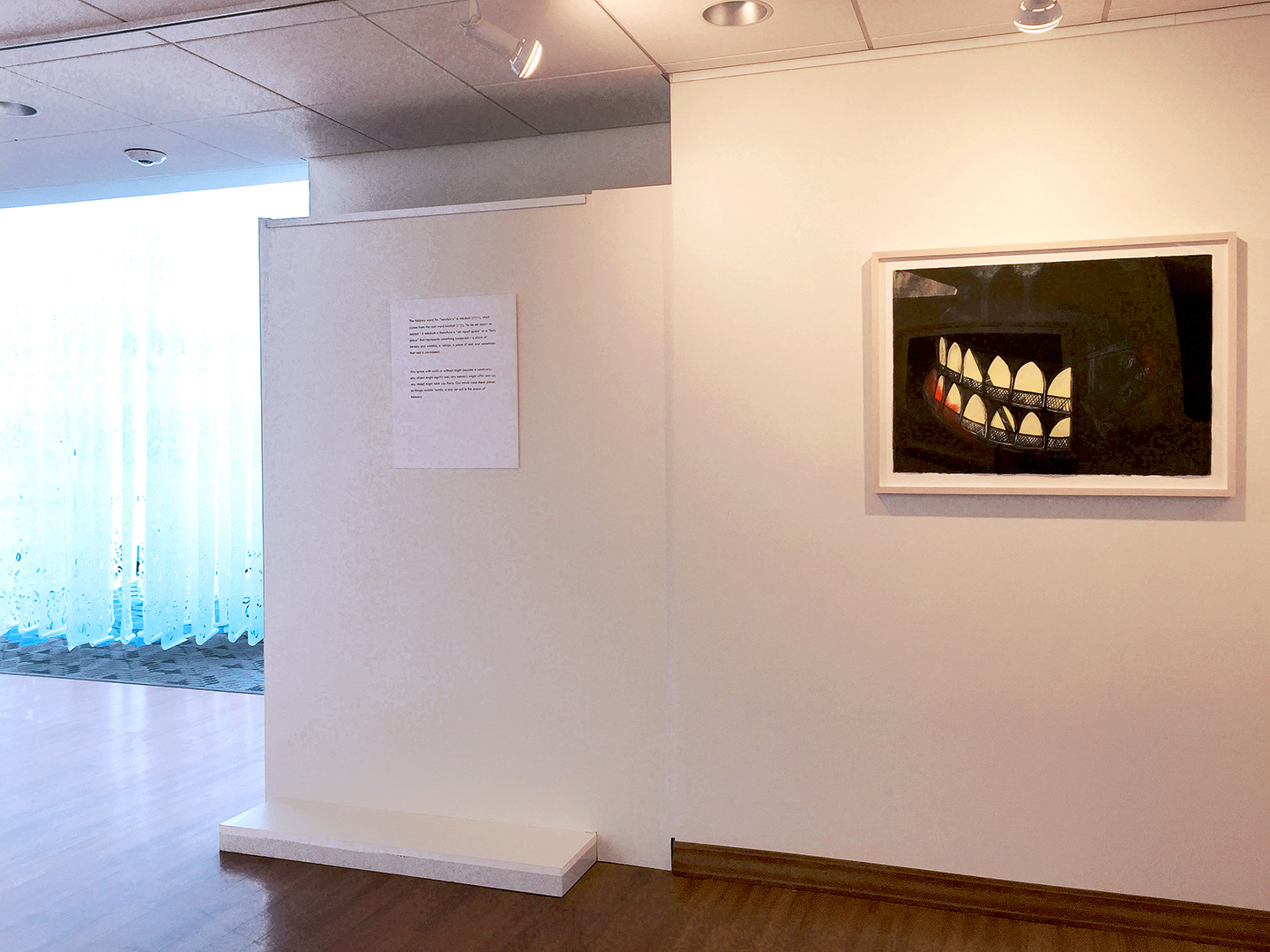
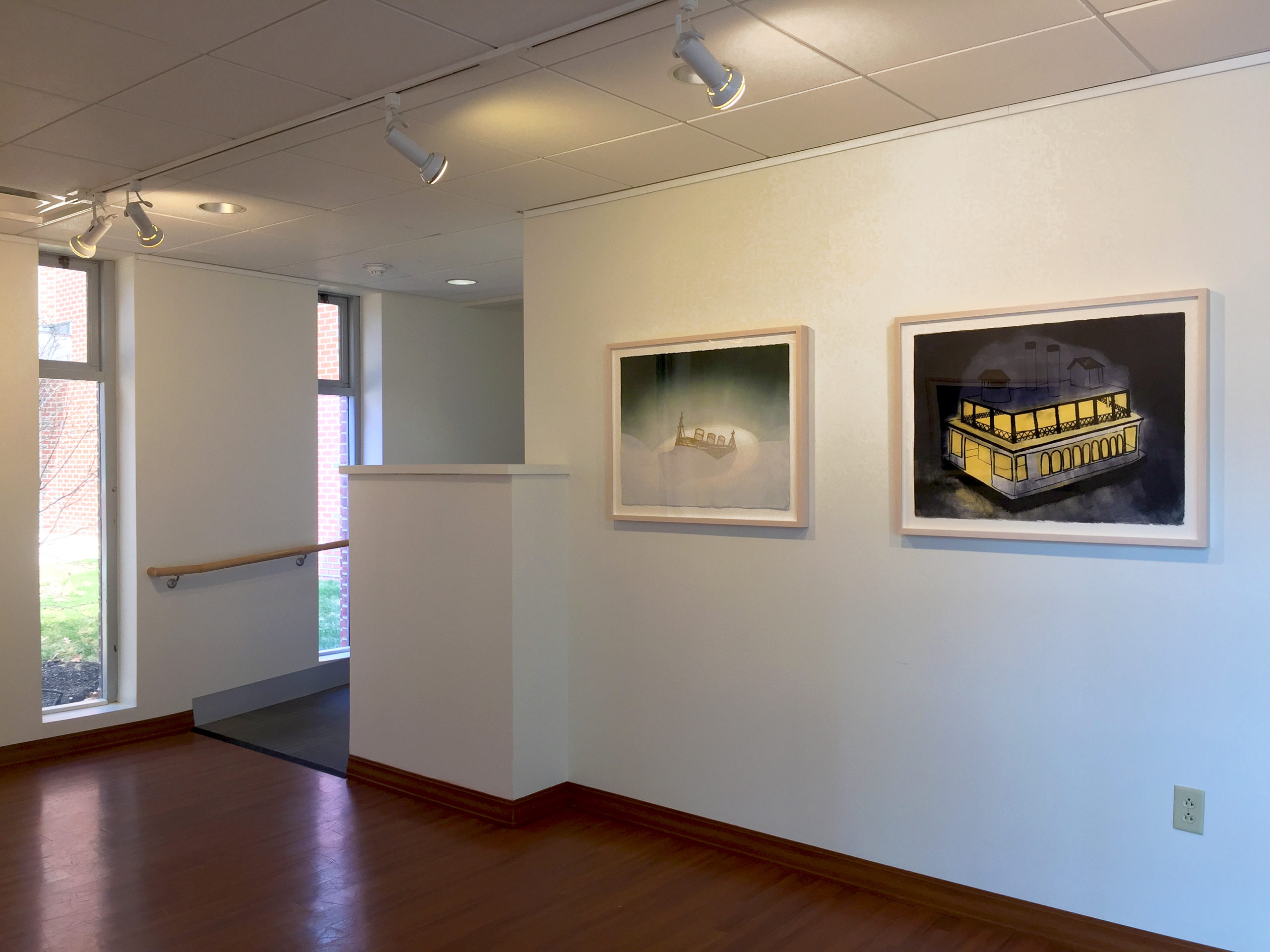
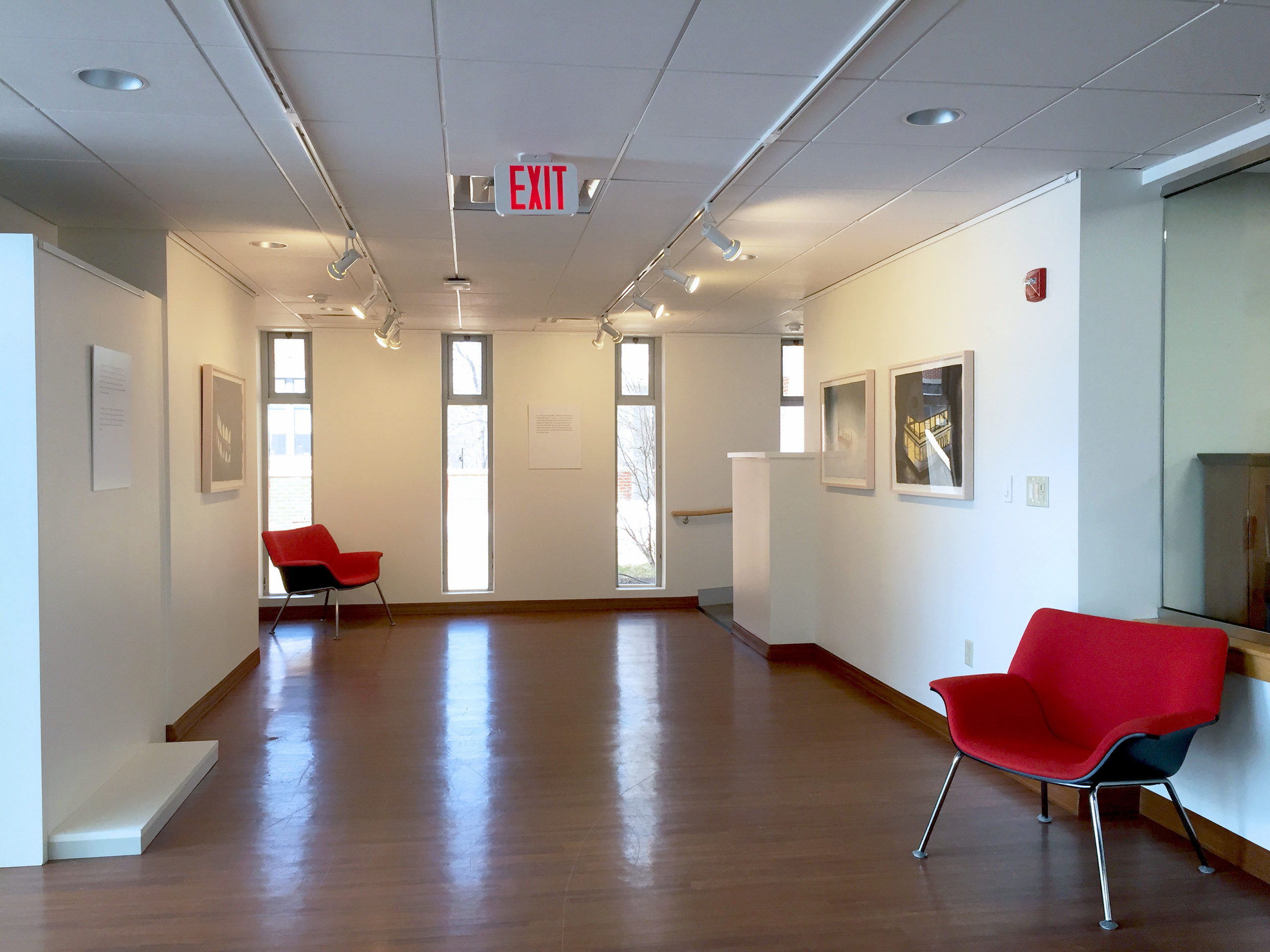
SANCTUARY is a traveling art installation to be exhibited in medical centers, hospitals, art galleries, and academic sites across the US. Writer Emily Rapp Black, and artist Carrie Scanga, will interpret viewers’ stories of medical circumstances in visual and textual forms in an ever-changing paper installation accompanied by written text. In each venue, viewers are invited to record and submit their stories within the immersive installation. After each venue, Scanga and Black will dismantle the sculpture and read/listen to all submitted stories, identifying moments of rupture, healing, working-through, and/or peace.
Based on viewers’ submissions, the collaborators will change both the paper structure of the installation and the textual accompaniment. Blacks’ accompanying essays will provide intellectual context by interweaving viewers’ submitted stories with trauma theory, philosophy, and personal experience. All submissions will be kept anonymous. SANCTUARY is a living installation, a space that hears experiences of those working in, admitted to, or visiting medical centers. It seeks to have communal, cultural, and intellectual impact.
Medical conditions often create feelings of isolation; by comingling two powerful modalities—visual and textual–SANCTUARY actively reverses such isolation. The changing installation echoes the idea that collective storytelling acts as a dynamic vehicle for individual and social change. SANCTUARY demonstrates new ways of thinking about peoples’ life experiences that involve medical care, moving beyond commonly-used terms such as “survival” and “resiliency.” Rather than viewing recovery as the end goal, our project encourages medical conditions and recovery to co-exist, giving visual and verbal forms to both processes.
Organized for UNE by Cally Gurley
From the Installation:
Navigating the space/Navigating your memories
This space invites you to remember a time in your life when you experienced rupture, whether joyful or traumatic.
Imagine you are surrounded by the water of your memory. Moving through the water of your memory, navigate the images and impressions that come to you. There is no right or wrong way to do this. Simply be curious as you move through that water. Recall a life experience involving bodily change or medical care, whether joyful or traumatic, or a combination of both. Allow the memories of both small and large life events, ruptures that impacted your life and body or times you cared for others. Remember how you felt in that moment and write without thinking the first impressions, words, images or sentences that come to mind.
Submit your writing to:
SANCTUARY
c/o Hilary Irons, UNE Art Gallery
University of New England
716 Stevens Ave
Portland ME
04103