The Librarians Film Screening
March 30, 2026
5:00 pm - 7:00 pm
St. Francis Room, Ketchum Library, UNE Biddeford Campus
Join us for a special screening of the documentary The Librarians. The film follows the real-life stories of librarians defending intellectual freedom and the freedom to read against organized efforts to remove books about race, gender, and identity.
After the movie, stay for a Q&A with UNE faculty and staff to talk about how these national battles over books impact our own campus and community.
- Sonya Durney, Scholarly Communications Librarian
- Lane Clarke, Professor of Education
- Linda Morrison, Associate Professor of Psychology and GWSS Coordinator.
What is Intellectual Freedom?
Intellectual Freedom is your right to read, listen to, and browse whatever ideas you choose without someone else deciding for you. While a challenge is a formal request to remove a book, a ban is when that book is actually pulled from the library shelf. During the 2024-2025 school year alone, there were 6,870 recorded instances of book bans in public schools—a sharp increase from previous years. These bans affected nearly 4,000 unique titles. Data shows that 72% of these censorship attempts are now driven by organized political groups rather than individual concerned parents.
When is a Book “Illegal”?
Under the First Amendment, the Supreme Court has ruled that you have a right to receive information. To legally remove a book for being obscene, it must fail the Miller Test (established in 1973). A book is only obscene if it meets all three of these points:
- The average person finds it appeals to a shameful or morbid interest in sex.
- It depicts sexual conduct in a “patently offensive” way.
- Crucially, the work, taken as a whole, lacks serious literary, artistic, political, or scientific value.
The New Challenge
The legal ground is shifting. In the recent case Little v. Llano County, a court in the fifth circuit ruled that a public library’s collection can be seen as government speech. This is a major change because it suggests that local officials—not librarians or readers—might have the power to curate, or remove, books based on their own political viewpoints. This makes your voice and engagement more important than ever.
Explore More at UNE Libraries
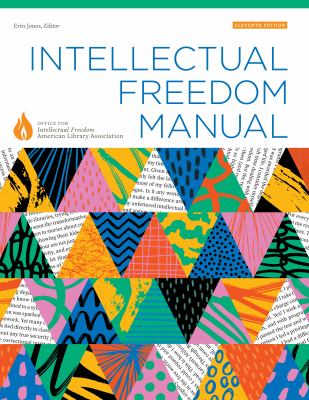
Want to learn more? Our collection includes: the newest edition of Intellectual Freedom Manual: